
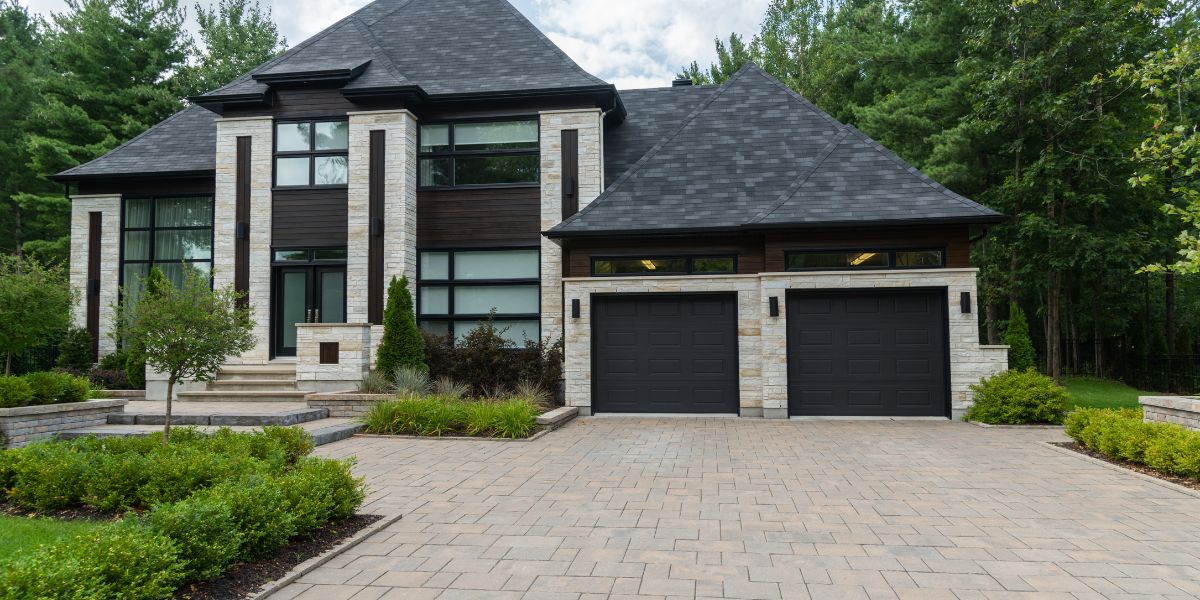
A home should support the way people live every day. Over time, however, families grow, routines change, and older layouts may no longer feel practical. A kitchen may feel too small, a bathroom may need better storage, a basement may be underused, or the entire home may need a more modern and functional design. This is why thoughtful renovation planning is so important.
A successful renovation is not only about making a home look newer. It is about improving how each space works, how the rooms connect, and how the home supports daily life. With the right planning and construction approach, homeowners can create spaces that feel more comfortable, useful, and personal.
Why Renovation Planning Matters
Good renovation planning helps homeowners understand what they want to change and why. Before construction begins, it is important to think about how the home is used, what problems need to be solved, and what improvements will make the biggest difference. This can include better storage, more natural light, improved traffic flow, updated finishes, or additional living space.
Working with Amsted Design-Build can help homeowners bring design, planning, and construction together in a more organized way for renovation and custom home projects.
The Benefit of a Design-Build Approach
A design-build approach connects the design and construction process under one coordinated team. Instead of working with separate designers, contractors, and project managers, homeowners can move through the project with a more unified process. This can help improve communication, reduce confusion, and keep the project aligned with the original goals.
When the team designing the space also understands how it will be built, decisions can be made with both creativity and practicality in mind. This is especially helpful for larger renovations, additions, and custom home projects.
Improving Everyday Function
One of the main reasons homeowners renovate is to make daily life easier. A beautiful space is important, but function matters just as much. A kitchen should make cooking and gathering easier. A bathroom should feel comfortable and organized. A basement should offer usable living space. An addition should connect naturally with the rest of the home.
Thoughtful renovation design looks at how people move through the home, where storage is needed, how light enters the space, and how each room supports daily routines.
Kitchen Renovations That Make a Difference
The kitchen is often one of the most used rooms in a home. It is where meals are prepared, conversations happen, and families gather. A kitchen renovation can improve storage, counter space, lighting, appliance placement, and overall flow.
Good kitchen design should make the space easier to use. This may include a better cabinet layout, a larger island, improved pantry storage, better lighting, updated finishes, or a more open connection to dining and living areas.
Bathroom Renovations for Comfort and Convenience
Bathrooms play an important role in daily comfort. A well-designed bathroom should feel clean, practical, and relaxing. Renovation improvements may include better storage, updated fixtures, improved lighting, walk-in showers, double vanities, quality tilework, or more efficient layouts.
Whether it is a main bathroom, ensuite, powder room, or guest bathroom, careful planning can make the space feel more comfortable and easier to use every day.
Basement Renovations That Add Living Space
A basement can become one of the most useful areas of a home when designed properly. Instead of being used only for storage, it can become a family room, guest suite, home office, gym, entertainment area, or multi-purpose space.
Basement renovations require attention to lighting, insulation, layout, moisture control, ceiling height, and comfort. When these details are handled well, the basement can feel like a natural extension of the home.
Home Additions for Growing Families
Sometimes a home needs more space rather than only a new layout. A home addition can provide extra bedrooms, a larger kitchen, a home office, a family room, or expanded living areas. Additions require careful planning because the new space must connect properly with the existing home.
A successful addition should feel balanced and natural. The exterior should match or complement the original structure, while the interior should flow comfortably from one space to another.
Custom Homes Built Around Lifestyle
For some homeowners, building a custom home is the best way to create a space that fully supports their lifestyle. Custom home planning allows every major detail to be considered from the beginning, including layout, room sizes, storage, natural light, exterior style, finishes, and long-term needs.
A custom home should feel personal, practical, and built with care. The goal is to create a home that reflects how the homeowner wants to live, not just what is common in standard floor plans.
Balancing Style and Practicality
A successful renovation should look beautiful, but it should also be practical. Materials, layouts, and finishes should be chosen with daily use in mind. Flooring should suit the household’s lifestyle. Storage should be easy to access. Lighting should support both function and atmosphere.
Good design balances appearance with everyday performance. This helps create spaces that look polished while still being comfortable and useful.
Respecting the Character of the Home
Many homeowners want to update their home without losing its original charm. A thoughtful renovation can modernize a space while respecting the character of the property. This may involve preserving architectural details, matching materials, or creating new features that feel consistent with the existing home.
This approach is especially important for older homes or properties in established neighbourhoods. The best renovations feel fresh without looking disconnected from the rest of the home.
Communication During the Renovation Process
Renovation projects involve many decisions. Homeowners need to understand timelines, budgets, materials, permits, design choices, and construction updates. Clear communication helps reduce stress and makes the process easier to manage.
A coordinated renovation team can help homeowners understand what is happening at each stage and what decisions need to be made next. This creates a more organized experience from planning through completion.
Craftsmanship and Detail
Quality craftsmanship affects how a renovation looks and performs over time. Details such as cabinetry, trim, tile, flooring, paint, lighting, and structural work all contribute to the finished result. When these details are completed carefully, the home feels more polished and well built.
Strong craftsmanship also helps protect the homeowner’s investment. A renovation should not only look good when it is finished; it should continue to function well for years.
Creating Long-Term Value
Renovations can improve both daily living and long-term property value. Updated kitchens, bathrooms, finished basements, additions, and improved layouts can make a home more comfortable while also increasing its appeal.
However, value is not only financial. A successful renovation can help homeowners enjoy their space more, reduce frustration, and make the home better suited to their needs.
Learning More About Renovation Options
Homeowners interested in learning more about renovation, design-build, and custom home services can visit https://amsted.ca/.
Final Thoughts
A thoughtful home renovation can improve comfort, function, style, and long-term value. Whether the project involves a kitchen, bathroom, basement, addition, or full custom home, the best results come from careful planning and strong communication.
With the right design-build approach, homeowners can create spaces that feel more personal, practical, and enjoyable. A well-planned renovation is more than an update; it is an investment in how a home supports everyday life.